
Construction is one of the most important sectors in the UK economy, creating the buildings, infrastructure and services that communities depend on. It is also an industry where people can be exposed to significant risks every day.
There are a wealth of matters to consider when it comes to compliance in businesses. Construction may have the greatest number of “moving parts” to consider when it comes to compliance, but there are ways in which things can be made better.
But in construction the most publicised risks are those related to health and safety. Therefore, the rest of this page will be dedicated to this subject.
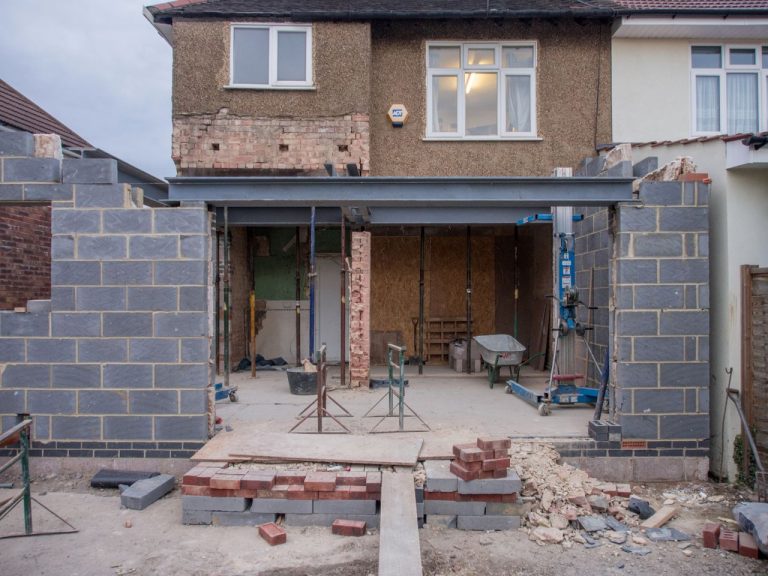
From working at height and operating machinery to lifting materials, working near vehicles and dealing with electricity, construction workers routinely operate in environments where a simple mistake can have serious consequences. This is why effective health and safety management must be at the heart of every construction business and every project.
The statistics demonstrate why health and safety cannot be treated purely as a box-ticking exercise. At worst we are dealing with peoples lives and the ability of workers to live normal lives after an accident has occurred.
The latest Health and Safety Executive (HSE) figures show that 25 construction workers were killed in the UK from work-related fall from height accidents in Great Britain during 2025/26. This is about 25% of all deaths recorded through the HSE in the same period. Construction continues to have the highest number of worker fatalities of any main industry sector. The construction industry average, within a five-year period was around 37 fatalities per year. This is around 4.8 times higher than the fatal accidents recorded for any other industry.
These figures are particularly significant because behind every statistic is a person who did not return home at the end of the working day, together with the impact on their family, friends and colleagues. Fatal accidents are, thankfully, relatively uncommon. However, non-fatal injuries are much more widespread.
Across Great Britain, an estimated 680,000 workers (from all industries) suffered a non-fatal workplace injury, based on HSE published figures. Employers also reported 59,219 non-fatal employee injuries under RIDDOR.
The most common reported accident types included:
Domestic and commercial sites carry similar basic risks. The reality is that the potential for the worst accidents are found on commercial sites. Even putting a single story extension on a house though can mean a fall that is significant enough to produce life changing injuries.
One of the most important lessons from workplace accidents is that many incidents are not simply “bad luck”. They are frequently foreseeable and preventable.
Activities in construction companies commonly involve:
Effective health and safety management has many facets and many think that starts with identifying hazards before work starts and putting proportionate controls in place. Some think it starts with education and ensuring that all equipment is appropriate for the activity being undertaken and is appropriately maintained.
Personally, we think it’s a cart and horse situation. For health and safety management to be effective risk assessments, training, equipment management and monitoring all need to be in place for things to work as the HSE intend things to work.
Think about it. Putting the wrong collar on a horse that you are expecting to pull a heavy load means that the operation will not work as intended. Using the wrong sized horse will result in similar issues. Everything has to be appropriate, and this is what makes our life both interesting and difficult.
Working with hazardous substances is often one thing left off the list of considerations. The real problem is that there are so many substances that are included in this category it is impossible to think of them all at the outset of a project. Good training will help companies improve their coverage of which substances are considered hazardous and, therefore, included in risk assessments.
Construction companies should never solely rely on paperwork to manage safety. They should create a culture where people actively think about risk, process and applying common sense. Why would you walk across roof joists without boards to aid your passage, or work on an office roof without protection in place to stop you falling over the edge?
This means encouraging workers to report hazards and near misses without fear of blame, regularly reviewing risk assessments, learning from your own incidents, as well as those of others, and continually improving working practices.
Toolbox talks, site inspections, audits and safety briefings can all contribute to this process, but they are most effective when they form part of a wider safety management system.
A strong safety culture can be summed up by a simple principle:
The most important thing to say is this. Everyone should be able to go to work and return home safely at the end of the day.
Working within the construction industry, and in fact any industry, will always involve working in, and around, hazards. The objective is not to pretend that all of the risks can be eliminated completely, but to understand the risks and control, or mitigate, them effectively.
The HSE statistics within this page shows that construction remains one of the UK’s most hazardous industries in terms of fatal workplace accidents. At the same time, hundreds of thousands of workers across Great Britain experience non-fatal workplace injuries each year.
Good health and safety management is, therefore, not purely an administrative burden – or even a legal requirement. It is an investment in people, productivity, reputation and the future of the business.
The ultimate measure of a successful construction project should not only be whether it was completed on time, to the required level of quality, and within budget, but whether everyone involved went home without suffering any injury – or even coming close to attaining one.
So, if you need help to understand what your requirements truly are, get in touch with us and we can discuss the points you’d like clarification on. Our initial consultation is completely complementary without any obligation to continue to paid support.