
You know where you want the business to go. The question is what needs to happen to get it there.
More work may mean more staff, different processes, new supplier requirements, or certifications you haven’t needed before.
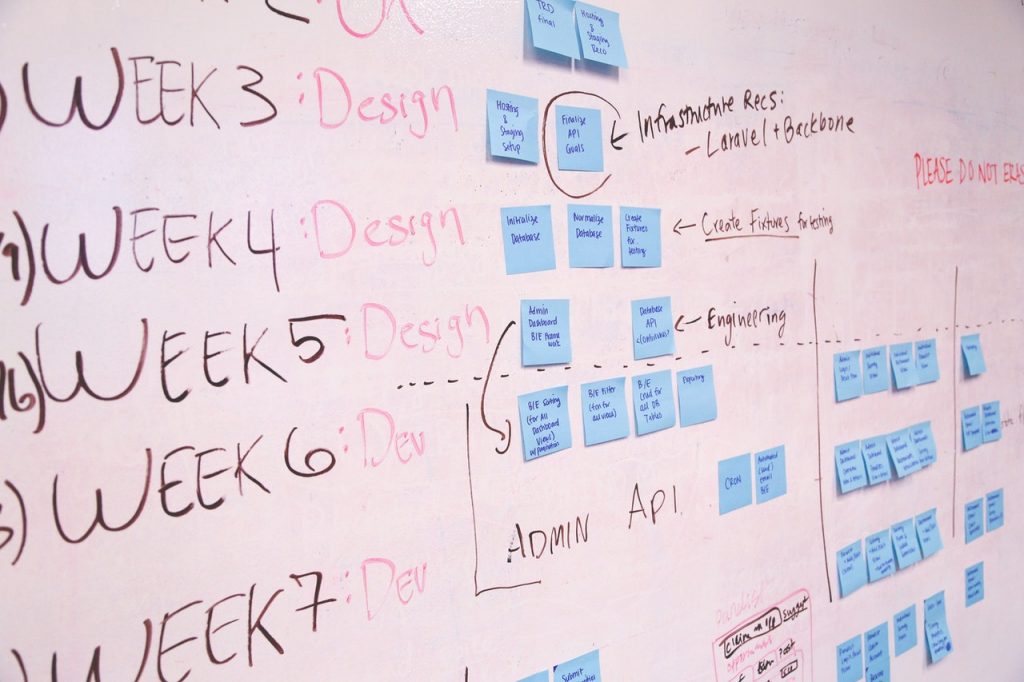
We help start-ups and established businesses develop practical plans that connect their objectives to the decisions, resources and actions required.
The plan should give you something useful to work from and review as the business develops.
The purpose of the plan determines what it needs to include.
You may need help when:
We help you examine the objective, understand your starting point and develop a route forward.
This includes asking practical questions. Do you have the capacity to deliver the work you want to win? What will a buyer expect, for example? Who will manage the administration? Which dependencies could prevent progress?
We turn the answers into an agreed plan with priorities, owners and review points.
The scope is agreed around its purpose. It may cover:
What you are trying to achieve, the services you will provide and the customers you want to serve.
Your existing capacity, capabilities, processes and the gaps between today’s business and the next stage.
The people, systems, suppliers, premises and working arrangements needed to deliver the plan.
The requirements connected to the work you intend to pursue, and the sequence for addressing them.
What the plan depends on, where costs need to be established and which assumptions need testing.
What could prevent progress and how the business will respond.
Agreed priorities, responsibilities, milestones and indicators that help you review progress.
The written output should explain the direction clearly and give the people involved a practical basis for action.
Winning a larger contract can look like the answer to growth. It can also expose gaps in staffing, delivery capacity and administration.
Before committing, we need to look at what the work requires and whether the business is ready to deliver it.
For a construction business, that could include buyer prequalification, subcontractor management, quality processes and the resources needed to sustain the contract.
Sometimes the next step is to work as a subcontractor to a larger organisation while strengthening your own capabilities.
The plan needs to reflect the opportunity and your starting position.

When you are starting a business, several decisions happen at once.
We can help organise the operational plan, identify relevant policies and responsibilities, and establish which foundations need attention first.
We can consider how the business will deliver its services, manage records and suppliers, allocate responsibilities and monitor progress.
Where incorporation, tax, specialist legal advice or financial modelling is required, we can work with the appropriate adviser.
If your plan will support a funding application, tell us who will receive it and share their stated requirements.
The document needs to explain the business coherently and align with the information the recipient expects.
Financial forecasts and assumptions need appropriate input and review, usually involving your accountant or financial adviser. I can help connect the operational plan to that information and identify where additional evidence is required.
A plan cannot guarantee approval or investment.
Tracking everything makes it harder to see what matters.
The measures should connect to your objectives. Depending on the business, that might include delivery capacity, customer concentration, repeat work, outstanding actions or progress against certification requirements.
We agree who reviews the information and what happens if progress differs from the plan.
A review should lead to decisions, rather than simply confirm that a meeting took place.
We agree on what the plan needs to help you decide or achieve.
We examine your current position, available information and assumptions.
We set out the priorities, resources, risks and actions.
Your business approves the decisions and assigns responsibilities.
We can discuss further support to update the plan and respond to changes.
We can provide a focused planning project or discuss ongoing review support. The format and frequency depend on what you need.
Eye Bray is based in Brentwood, Essex, and primarily supports businesses across Essex and East London.
Much of the discussion and document development can happen remotely. Meetings at your workplace can help where understanding your team and operations is useful.
Yes. We can help develop a written plan around its intended purpose and your business information. We agree on the required content and any specialist input at the start.
Yes. Planning is useful when an established business changes direction, grows or needs to organise its next stage.
We establish what financial input is required and involve your accountant or suitable specialist. The operational plan needs to be consistent with the financial assumptions.
At agreed intervals and when significant assumptions change. We can choose a review rhythm that suits the pace and needs of your business.
The cost depends on the purpose, complexity and available information. I provide a proposal after we establish the scope.
Tell me where you want the business to go and what is making that difficult.
We can turn the objective into priorities and a practical plan.